ANTHRACITE
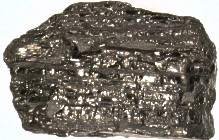 Anthracite, often called HARD COAL, is a highly metamorphosed variety of coal. It contains more fixed carbon (about 90 to 98 percent) than any other form of coal and the lowest amount of volatile matter (less than 8 percent), giving it the greatest calorie, or heat, value. Because of this, anthracite is the most valuable of the coals. It is, however, also the least plentiful. Anthracite makes up less than 2 percent of all coal reserves in the United States. Most of the known deposits occur in the eastern part of the United States.
Anthracites are black and have a brilliant, almost metallic lustre. They can be polished and used for decorative purposes. Hard and brittle, anthracite breaks with conchoidal fracture into sharp fragments that are clean to the touch. Although anthracite is difficult to ignite, it burns with a pale-blue flame and requires little attention to sustain combustion. Anthracite is particularly adaptable for domestic use because it produces little dust upon handling and burns slowly while emitting relatively little smoke. It is sometimes mixed with bituminous coal for heating factories and other commercial buildings to reduce the amount of smoke produced but it is seldom used alone for this purpose because of the high cost.
| PREVIOUS PAGE | ID ANOTHER METAMORPHIC ROCK | METAMORPHIC ROCKS HOME |